Autism in Women: Why So Many Are Diagnosed Later in Life
For a long time now, autism research has been centred on boys. This has left countless autistic women undiagnosed well into adulthood. You may have felt like you're "performing", exhausted by socialising, or feel like you couldn't fulfil expectations. Maybe you wondered why your struggles never quite matched what you read about autism. You're not alone, and there's an explanation.
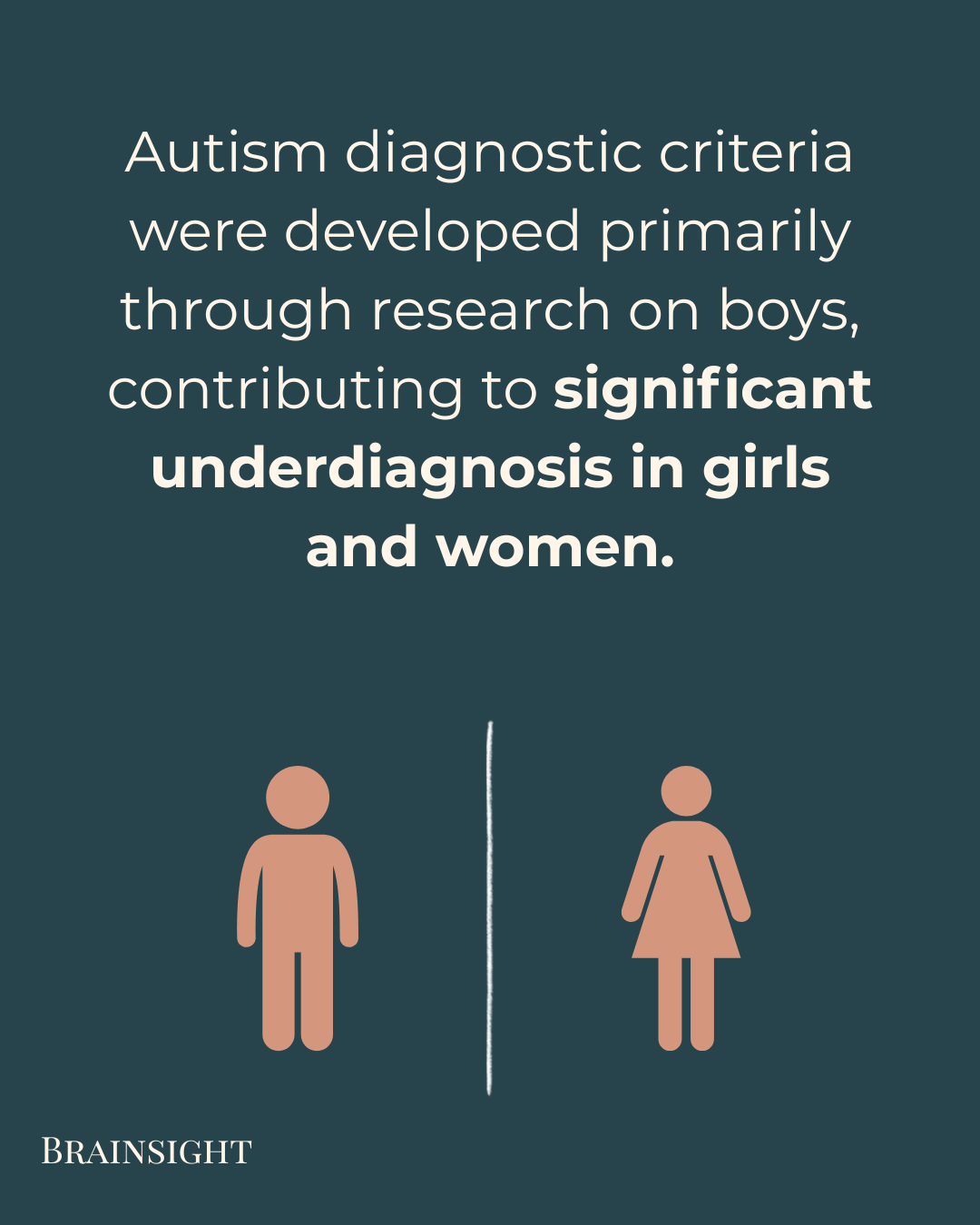
Why autism in women looks different
Autistic symptoms in females often present much more subtly than the stereotypes most people think of. Many autistic girls have spent years becoming skilled at masking, consciously or unconsciously mimicking social behaviours to fit in.
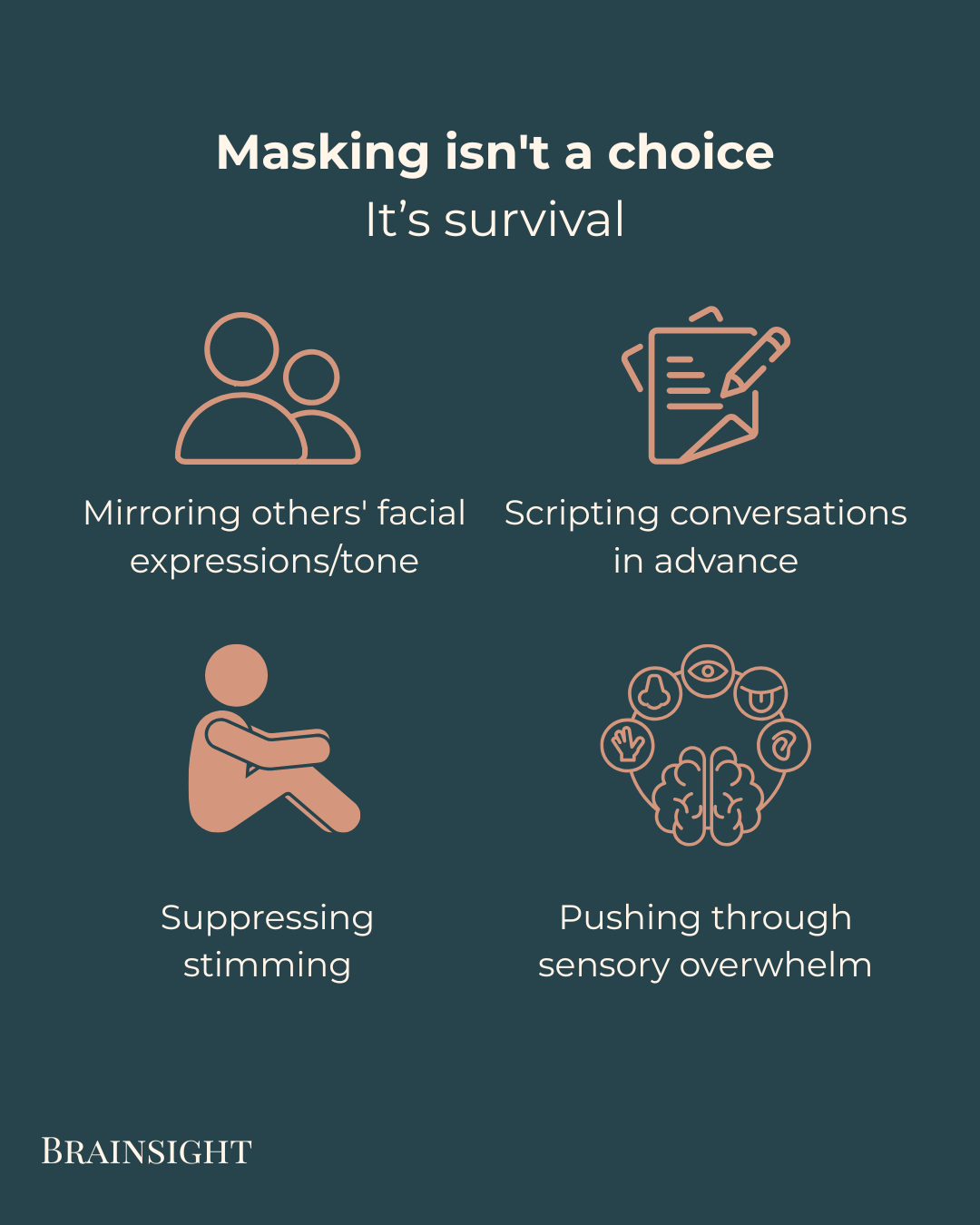
This might look like:
Special interests in topics/activities were seen as "passions" rather than as obvious special interests.
Deep exhaustion or shutdowns after socialising, even enjoyable events. Sometimes being labelled as too sensitive or overly emotional.
Sensory sensitivities are dismissed as being "particular" or "fussy".
A feeling of not fitting in or understanding social expectations, even while appearing to cope well.
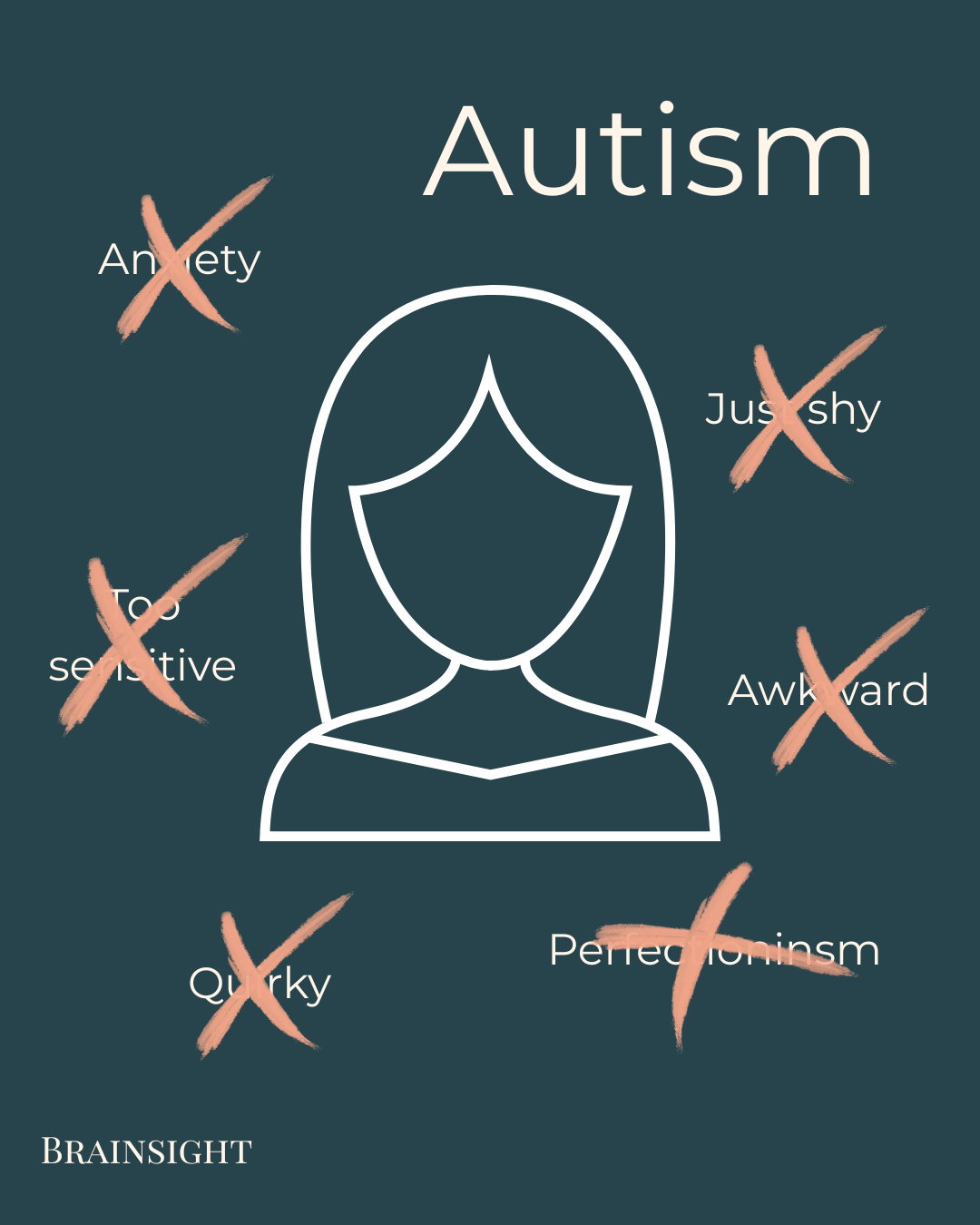
These signs in women are frequently put down to anxiety, perfectionism and personality, rather than being recognised as autistic traits.
The reality of late-diagnosed autism
Many late-diagnosed women with autism describe their diagnosis not as a loss, but as relief. Suddenly, life makes sense, an explanation for a lifetime of unanswered questions. Understanding yourself through a clinical lens can reshape how you interpret years of masking, burnout, and self-doubt.
Moving forward with clarity and compassion
Whether you suspect you may be autistic or have recently received a diagnosis, understanding the female autistic profile is a key to building awareness for others, as well as self-compassion for yourself. At Brainsight, our neuropsychologists conduct comprehensive autism assessments grounded in current research on how autism presents across genders. We recognise that the experiences of women with autism deserve to be seen accurately, not filtered through outdated criteria.